
DEFERRED MAINTENANCE
QUESTION: We are working on the association’s annual budget and it is clear that our anticipated expenses are going to exceed anticipated revenues. Some board members have suggested that deferring some scheduled but nonessential maintenance projects would reduce expenses by enough to close this gap without increasing monthly dues. Are there other alternatives we should consider?

Reducing expenses is a good idea; deferring maintenance is not, although the temptation is understandable.
While owners aren’t likely to notice maintenance projects you delay, they will definitely notice and not in a good way, an increase in their monthly fees.
But the maintenance tasks you skip today will become expensive repairs – and possibly capital replacement projects – in the future. Kicking this can down the road will leave you with a sore toe and a badly dented can.
There is no such thing as “non-essential” maintenance. All maintenance is essential. Certainly some maintenance projects are less urgent than others. You may be able to delay some tasks for a year without any adverse consequences. But because delay is easy and seems painless, it can become habitual – an annual response to a budget gap rather than a one-time response to it.
Champlain Towers – the Florida condominium tower that collapsed a few years ago – is a poster child for the dangers of deferred maintenance. It is an extreme example, to be sure. Buildings aren’t likely to collapse if they aren’t well-maintained, but major components – like HVAC systems, roofs and swimming pools, will last longer and perform better with fewer maintenance problems (and fewer repair bills) than components subjected to benign neglect, that get attention only when they break or fail.
Deferring maintenance isn’t an option for the board – or it shouldn’t be. Fannie Mae and Freddie Mac now require regular maintenance and are paying more attention to deferred maintenance and the finances of associations. If lenders see evidence of deferred and unfunded critical repairs, they may not approve a condominium loan. Insurance companies, likewise, are increasingly insisting on evidence of a comprehensive maintenance strategy. Poorly maintained buildings are more likely to suffer serious damage and are more expensive to repair. Insurers want to know boards are doing all they can to mitigate those risks.
In addition to these external requirements, boards have a fiduciary obligation to “preserve and protect” property and property values. The desire to control expenses may please owners in the near term, but it won’t provide a defense against the negligence suits they will file if deferred maintenance causes serious damage or requires major expenditures in the future.
The board should find other ways to balance the association’s budget.

Increase association fees
This is the most obvious means of closing a budget gap. It is also the one most board try mightily to avoid. Owners don’t like fee increases and boards don’t like to do anything that makes owners unhappy.
But prudent management suggests that common area fees – the primary source of association revenues – should keep up with inflation. Costs typically increase every year so fees should increase too, even in those rare years when the expense line remains flat.

Keep a close eye on income and expenditures throughout the year
Know where you are in relation to where the budget says you need to be. Identify line item increases and try to control them.
Review vendor contracts
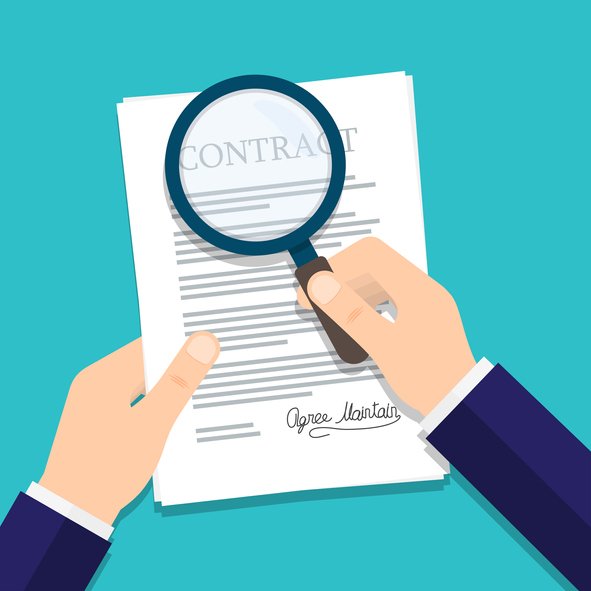
Re-bid older ones to see if you can obtain comparable or better services at a lower cost. If you like your current vendor, try to renegotiate the terms when the contract comes up for renewal.

Delay non-essential capital projects, or spread the work over a longer period
If the roof in one building is leaking, you have to deal with it, but you don’t necessarily have to replace all the roofs or all the siding on all the buildings in the same year.
Reduce energy costs
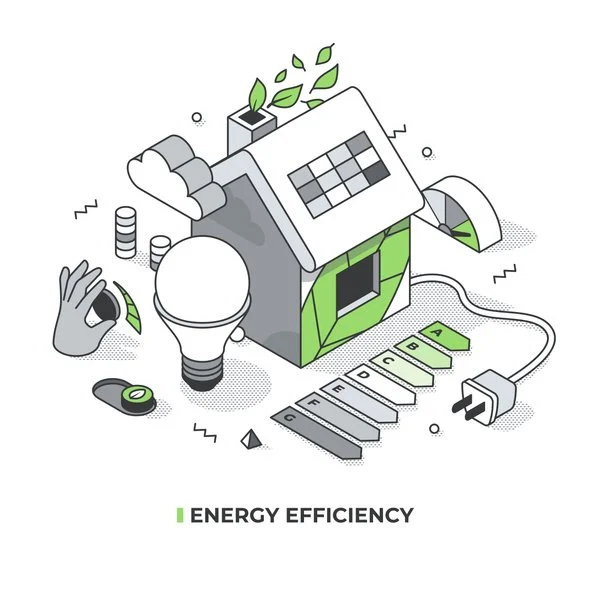
Installing water-saving irrigation systems, adopting a less frequent watering schedule, and installing LED bulbs in light fixtures are just a few ideas; an energy audit might help you identify others.

Renegotiate an existing bank loan, if you have one
Making interest-only payments for a short period can help close a temporary budget gap created by higher delinquency rates or unanticipated cost increases.

Adopt a comprehensive maintenance plan and follow it
Yes, we are ending this discussion where it began – with a focus on maintenance. As part of this plan:
Inspect the property regularly. Problems you identify early may be easier and less expensive to repair.
Create a budget to match the maintenance plan; don’t budget in reverse by creating a plan to match the budget you want.
Monitor maintenance and repair costs so you can make realistic decisions about when it is time to stop repairing a component and replace it. Update your reserve study periodically and use it to help make informed repair vs. replacement decisions.

Educate owners and board members
Owners who understand why maintenance is both cost-effective and essential may be less likely to oppose increases in common fees.
Board members who understand their fiduciary duty to preserve and protect association property (and the liability risks they face if they do not), may find the fortitude they need to make the difficult decisions required to keep the association’s buildings and its finances intact.
If you have any questions regarding these matters, please contact any MEEB Attorney at law@meeb.com.