
REGULAR USE OF DRONES IS COMING
QUESTION: Amazon, Walmart and other retailers have said they will be relying increasingly on drones to deliver packages to consumers. Our board has many concerns about this plan, primary among them the damage falling packages (and falling drones) might do to property and residents, complaints about the noise drones will make, and ‘invasion of privacy’ complaints from residents who think the drones are spying on them. We’d like to avoid those problems if possible. Can the board prohibit drone deliveries in our community?

ANSWER: No. The Federal Aviation Administration (FAA) controls the air space above your community and the board has no authority to restrict access to it.
However, you can adopt rules controlling what drones do on the ground in common areas. That is how the board can address the concerns it has identified. The rules could:
Permit drones to land and take off only in designated areas.
Limit the dimensions and weight of drones and the size of the packages they can deliver in common areas.
Limit the hours during which drone deliveries are allowed.
Prohibit drones from transmitting, recording or photographing through owners’ windows or into enclosed balconies without their written consent.
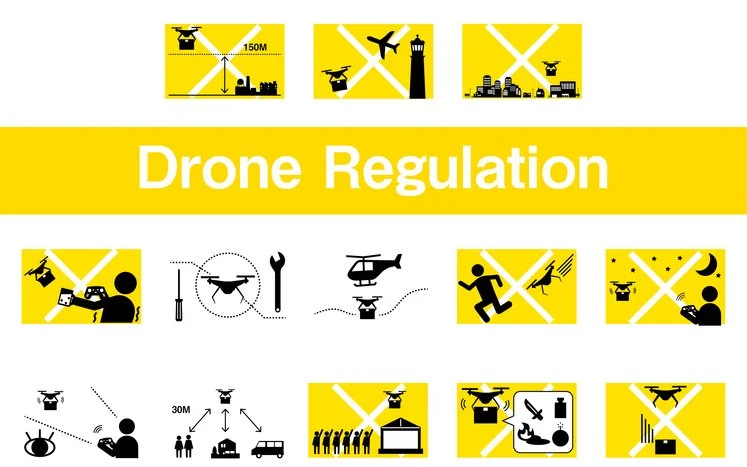
Boards clearly have the authority to regulate how drones operate in their community.
They also have the authority to ban drone operations entirely, which they could do by prohibiting them from operating in all common areas. That is an option some industry experts recommend, but it is one boards should consider carefully.
According to industry estimates, more than 80 percent of Americans shop online at least once a year and more than two-thirds of households shop online weekly. Based on those numbers, you can reasonably predict that while some residents of your community may object to the presence of drones, it is likely that many more will complain if the products they order online can’t be delivered to them. Before adopting a rule prohibiting drone deliveries, the board should survey owners to gauge their reaction.
Retailers aren’t the only ones using drones. Many businesses (real estate brokers and insurance companies among them) are using drones to inspect properties, many Individuals are flying drones as a hobby, and some condominium associations are using them, or hiring vendors who use them, as well. So the drone regulations and protocols your board adopts should target all of these uses.
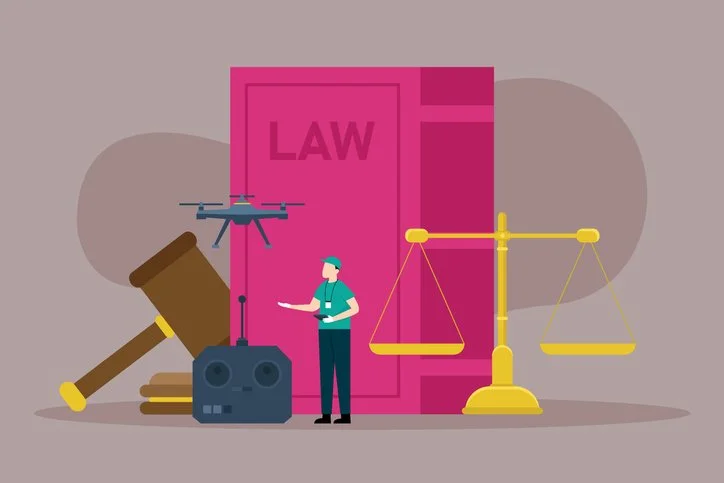
For third parties and for vendors the association hires, the rules should require an FAA Part 107 license for the drone operator and a commercial drone insurance policy (usually a minimum of $1 million) naming the association as an additionally insured party.
The rules should also:
Specify where and when the drones can operate.
Prohibit drones from hovering near or pointing cameras directly toward owners’ windows.
Specify what images the drones can collect, how and for how long the images will be saved and who will be able to see them.
Require vendors to provide a minimum of 48 hours’ notice to owners of when the drone will be flying, the purpose of the flight and the images to be collected.

The rules for residents operating drones as a hobby should similarly specify where and when they can operate and prohibit the drones from hovering near residents’ windows or pointing cameras through them.
Additionally, the rules should require owners to submit a drone application that includes:
Proof that the drone is registered with the FAA (required for any drone weighing more than .55 pounds);
A signed indemnification clause holding the association harmless for any damage caused by the drone; and
Proof of a liability insurance policy that specifically includes “unmanned aircraft coverage.”
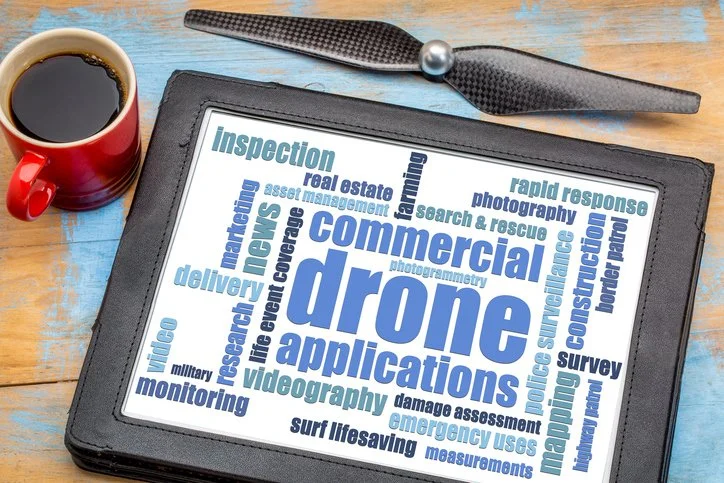
The commercial use of drones – your board’s primary concern -- isn’t yet widespread, but it soon will be.
The FAA is expected to issue revised rules by the end of this year eliminating the ‘line of sight” requirement for drone operators that currently limits commercial activities. Other boards should follow your board’s proactive example and start thinking now about how to regulate drones before they have begun to generate the questions, complaints, damage, injuries and litigation that will inevitably be part of this emerging frontier.
If you have any questions regarding adopting rules for drones, please contact our MEEB Attorneys at law@meeb.com.