
THE TIDE MAY BE TURNING ON EMOTIONAL SUPPORT ANIMALS: BUT MAYBE NOT ON THE STATE LEVEL YET
For decades, federal law has been understood to protect emotional support animals as a reasonable accommodation in housing where pets are otherwise restricted, including condominiums and homeowners’ associations. The U.S. Department of Housing and Urban Development (“HUD”) has now issued new guidance that significantly narrows when an animal may qualify as a reasonable accommodation under the Federal Fair Housing Act.
On May 22, 2026, HUD issued a memorandum titled “Enforcement Guidance – Assessing Requests for the Use of an Animal as a Reasonable Accommodation Under the Fair Housing Act.” The memorandum states that, “effective immediately,” HUD requires a reasonable accommodation only for animals trained to provide disability-related assistance. HUD explained that “an entire industry has emerged to convert pets into emotional support animals” and stated that it had not intended its earlier, broader guidance to be treated by courts as requiring the allowance of emotional support animals.
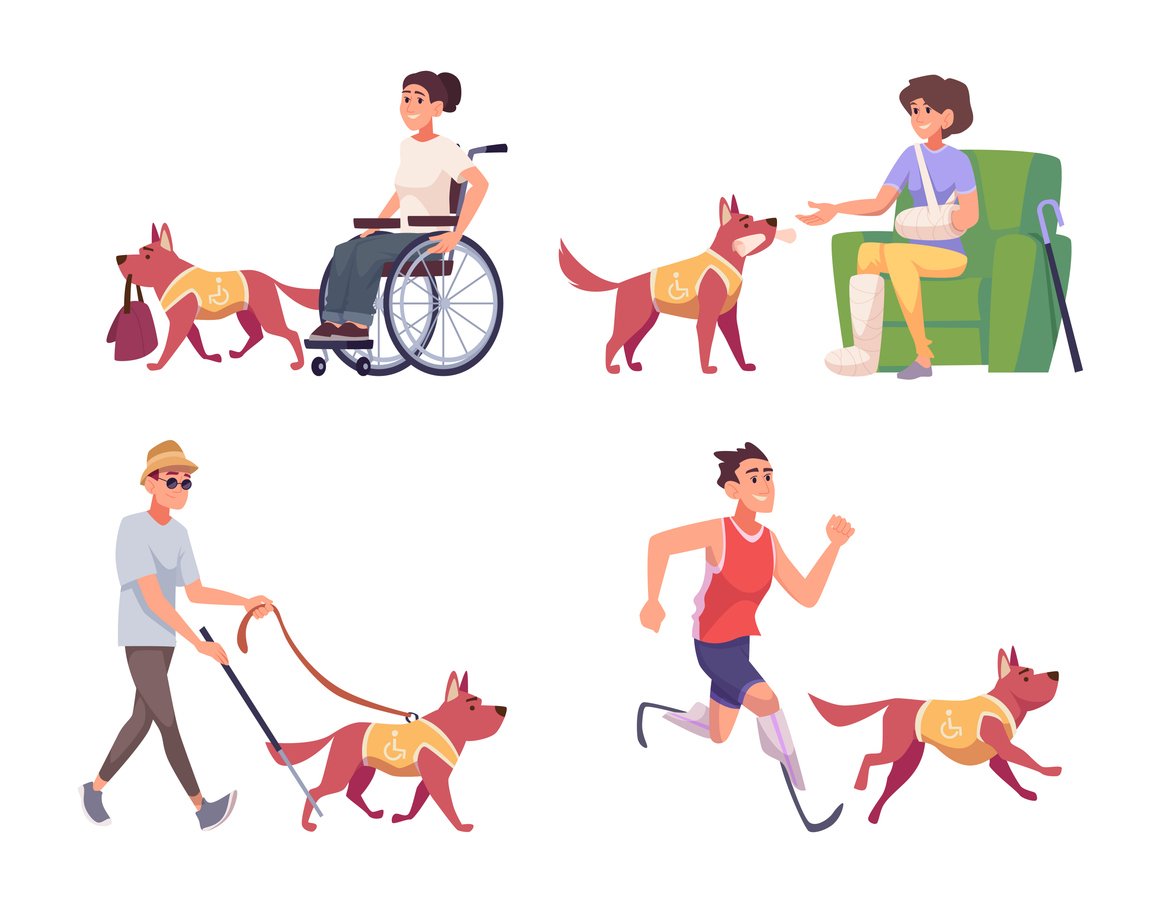
HUD further stated that the proper definition of a qualified service animal is the one used in the Americans with Disabilities Act:
an animal that “is individually trained to do work or perform tasks for the benefit of an individual with a disability, including a physical, sensory, psychiatric, intellectual, or other mental disability.” Untrained emotional support animals do not qualify.
The prior HUD policy requiring accommodations for emotional support animals was mandatory only for public housing that received HUD subsidies. Nonetheless, it was relied on as persuasive authority and broadly applied by courts to private housing under the federal Fair Housing Act. As such, for the past several years, the general rule has been that condominiums must allow not only service animals, but also emotional support animals.
Going forward, the availability of accommodations for emotional support animals will likely depend on the law and court or agency decisions of the state in which a housing discrimination claim is brought, and those protections may vary significantly from one state to another. For condominiums and homeowner associations in Massachusetts, the immediate effect of the new HUD guidance may be limited. A person seeking an accommodation for an emotional support animal may still have protection under Chapter 151B, the state’s anti-discrimination statute, which HUD does not control.
Since the release of the HUD Memo on May 22, MEEB has been discussing this issue with the Massachusetts Commission Against Discrimination. Currently MCAD’s view regarding emotional support animals has not changed – condominium boards must allow legitimate requests for emotional support animals. However, the MCAD is actively working with the Massachusetts Attorney General’s Office and the Massachusetts Office on Disability to put out further guidance on this issue and we expect that to occur over the next few months. It remains to be seen whether the MCAD will follow HUD’s new guidance or maintain the status quo.
The new HUD guidance could mark a meaningful shift in how requests for emotional support animal accommodations are evaluated. The prior guidance, as broadly applied by courts, set a relatively low threshold and invited misuse by individuals seeking to avoid pet restrictions. The revised approach may prompt broader reform by reserving accommodations for disabled individuals who satisfy a more clearly defined standard and are not merely seeking to circumvent pet restrictions.

We continue to recommend that each request for an accommodation for either a service animal or an emotional support animal be reviewed on a case-by-case basis, and consultation with the association’s attorney is recommended if there are any questions as to whether the board should approve the request.
Please contact Thomas Aylesworth, Matthew Gaines, Pamela Jonah or any MEEB attorney with questions or concerns regarding support animals.