

Stay Informed

RISKS VS. REVENUE
To rent or not to rent association amenities to non-owners. That is a question boards often ponder as they eye opportunities to increase their revenue. But third party rentals also entail risks that boards must recognize and weigh against the potential benefits.
Liability is the most obvious risk but it isn’t first on the list. That distinction goes to the Americans with Disabilities Act (ADA). By renting space to third parties, a community association might be classified as a “place of public accommodation” subject to the ADA and thus required to make common areas and amenities accessible to individuals with disabilities.

QUESTIONNAIRES
Fannie Mae and Freddie Mac have recently updated their guidelines for condominium loans. Will lenders now revise the questionnaires they submit to condominium associations and do associations have to answer all questions?
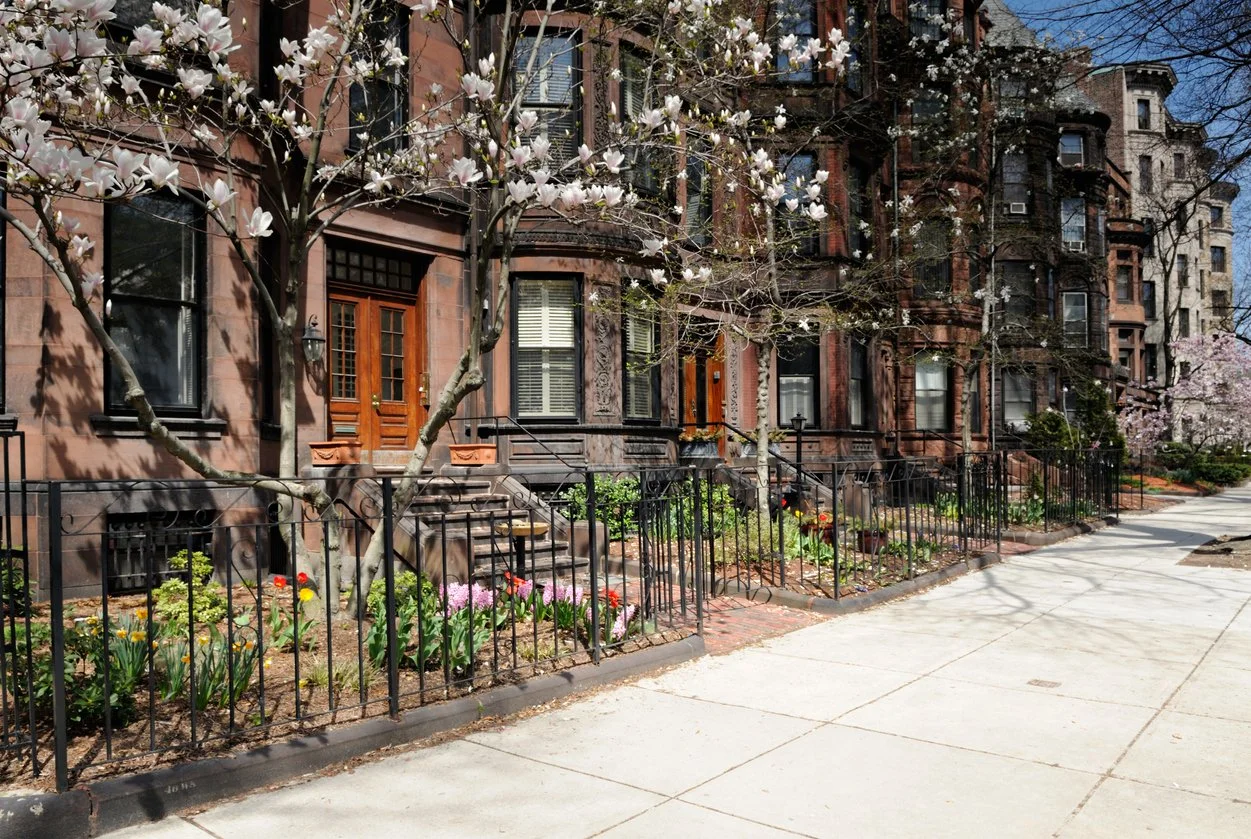
WHERE DOES YOUR GARDEN GROW?
It’s spring. The snow is gone. Birds are singing and the green thumbs of condominium residents are itching to plant the flowers of which they’ve been dreaming all winter. They will need the board’s permission before they start digging anywhere, however.
That is true not just in common areas, where, with rare exceptions, owners should not be allowed to plant anything, but in limited common areas designated for an owner’s exclusive use, where boards can and should control what gets planted and where.
Pretty roses adjacent to the owner’s fence shouldn’t pose any problems, but bamboo, which can pop up several feet from where it is planted (in the yard next door, for example); English ivy, which spreads quickly, both horizontally and vertically and tends to attract rodents; and poison ivy, which poses other obvious problems, are likely to prove unpopular with the neighbors.

SWIMMING POOLS
The Problem: The local Board of Health determined that the association’s heat pump must be replaced before the pool can be opened for the season.

MEEB DEFENDS ASSOCIATION WIN AT THE SJC
At a recent hearing before the Massachusetts Supreme Judicial Court, MEEB attorney Thom Aylesworth argued on behalf of a manufactured housing (a/k/a mobile home) resident association in an appeal of the association’s victory in the Superior Court. The appeal marks the last stage of a six-year long legal battle in which MEEB has represented the Pocasset Park Association in a lawsuit brought by an out-of-state investor, Crown Communities.

NEW UPDATE ON FANNIE MAE/FREDDIE MAC CONDOMINIUM LENDING STANDARDS: WHAT BOARDS NEED TO KNOW
On March 18, 2026, Fannie Mae announced significant changes for condominium lending in Lender Letter LL-2026-03. There is some good news and some bad news. These updated guidelines are intended to strengthen the financial health and capital planning of condominium communities, with a focus on ensuring long-term structural integrity and sustainability for homeowners. Accordingly, boards and property managers must carefully review these changes as they have a direct and immediate impact on condominium lending, insurance requirements, budgets, and reserves. Fannie Mae guidelines apply to all condominium projects, but specific project review standards apply to projects with five or more attached units. *See waiver provisions below.
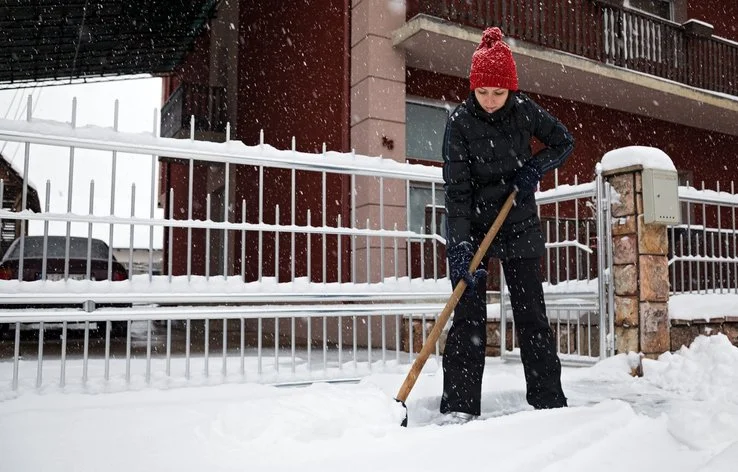
SNOW AND ICE LIABILITY RISKS
An owner sent the board a letter complaining about the association’s snow-removal contractor. He says the contractor waits too long before beginning to plow and doesn’t do an adequate job of clearing the snow and treating the ice. The letter says the owner is putting the board on notice that if anyone slips and falls, the association will be sued for negligence. This is the only complaint about snow removal the board has received. How should we respond?

YOUR COMMUNITY IS AGE-RESTRICTED
Federal and state fair housing laws prohibit discrimination against families with children. This should not be news to anyone. But the federal Housing for Older Persons Act (HOPA), enacted in1995, allows “age-restricted” housing communities to bar anyone younger than 55. HOPA allows two types of age-restricted communities. The most common requires 80 percent of the units to be occupied by at least one resident who is 55 or older. The remaining 20 percent may be occupied by residents younger than 55. This is known as the 80-20 rule. The other HOPA option, less common because it is more restrictive, requires a minimum age of at least 62 for all residents.

TRACKING BOARD POSITIONS
Are condominium associations required to report the names of newly elected board members whenever the board changes?

STORM WARNINGS
If condominium board members are compiling a list of New Years’ resolutions, a commitment to staying on top of association collections should definitely be on it. This is always important, but it is likely to be especially important this year for three reasons:
Inflation is increasing the cost of major projects, which in turn will increase the size of the assessments on owners and the association loans required to pay for the projects.
Inflation is also forcing some associations to increase common area fees, adding to the financial strain on owners who are already struggling with rising costs.
Slower growth and economic uncertainty could boost unemployment, creating another risk for households and for condo associations.